Posts

Boosting Profit with Premium Maize Seeds in India

Image
  Introduction Maize, often referred to as the “queen of cereals,” plays a vital role in India’s agricultural economy. From food and feed to industrial applications, maize has become one of the most versatile crops in the country. However, in an era of rising input costs, climate uncertainty, and competitive markets, traditional farming methods alone are no longer sufficient to ensure profitability. This is where premium maize seeds India come into focus. High-quality maize seeds, developed through advanced breeding and hybrid technology, are helping farmers significantly improve yield, quality, and overall income. By adopting premium maize seeds, Indian farmers are not only enhancing productivity but also securing a more sustainable and profitable future. The Growing Importance of Maize Farming in India Maize cultivation in India has witnessed remarkable growth over the last decade. The crop is now cultivated across diverse agro-climatic zones, including Karnataka, Maharashtra...

Finding the Best Groundnut Seeds Processors for Export

Image
The global demand for groundnuts, commonly known as peanuts, has increased significantly in recent years due to their nutritional value, versatility, and industrial applications. From snack foods and peanut butter to oil extraction and animal feed, groundnuts are a crucial agricultural commodity. For exporters, finding the best groundnut seed processors is essential to ensure consistent quality, compliance with international standards, and timely delivery. This guide explores how to identify, evaluate, and partner with the right groundnut seed processing companies for successful export ventures. Understanding Groundnut Seed Processing Before exploring how to find the best processors, it’s important to understand what groundnut seed processing involves. Processing refers to the series of steps that prepare harvested groundnuts for export or further use. These steps typically include cleaning, grading, shelling, roasting (if required), and packaging. The goal is to remove impurities...

Market Expansion Strategies for Gram Seeds Wholesalers

Image
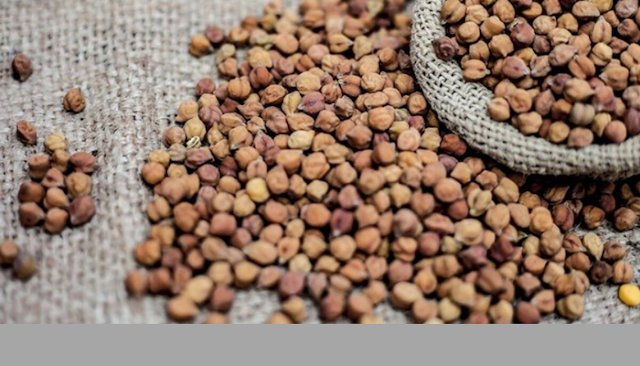
  Introduction: Gram seeds, also known as chickpeas, are a staple in diets worldwide and have gained popularity for their nutritional value and versatility. Wholesalers in the gram seed industry play a crucial role in the supply chain, connecting producers with retailers and consumers. To thrive in this competitive market and capitalize on the growing demand for gram seeds, wholesalers need effective market expansion strategies. This article explores various strategies that gram seed wholesalers can employ to cultivate growth opportunities and remain competitive in the ever-evolving agricultural sector. Understanding the Gram Seed Market Before diving into market expansion strategies, gram seed wholesalers need to have a comprehensive understanding of the market dynamics. This includes: Market Trends:  Analyzing current market trends such as increased health consciousness, rising demand for plant-based proteins, and the growing popularity of ethnic cuisines that use gram seeds...

The Growing Demand for Non-GMO Soybean Seeds

Image
  Introduction Soybeans are among the most widely cultivated and traded crops globally, with various applications ranging from animal feed and human consumption to industrial uses. However, concerns about genetically modified organisms (GMOs) and their potential impact on human health and the environment have led to rising demand for non-GMO soybean seeds. In this article, we will explore the reasons behind the growing demand for non-GMO soybean seeds, their benefits, and the implications for farmers, consumers, and the agricultural industry. Understanding GMO and Non-GMO Soybeans Genetically modified soybeans are those that have been genetically engineered to possess specific traits, such as resistance to certain pests, herbicides, or improved nutritional content. These modifications are made by introducing genes from other organisms into the soybean's DNA. On the other hand, non-GMO soybeans are traditional, conventionally bred soybean varieties that do not contain any geneticall...