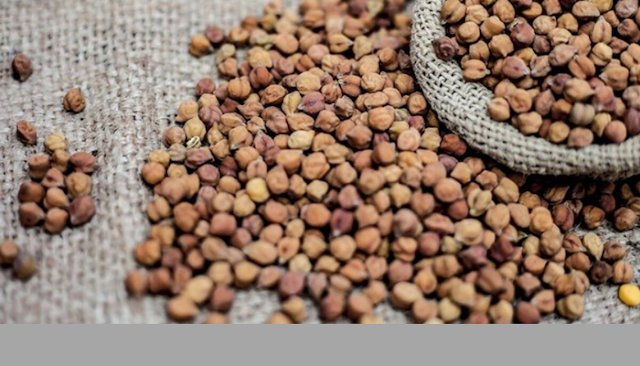
Introduction: Gram seeds, also known as chickpeas, are a staple in diets worldwide and have gained popularity for their nutritional value and versatility. Wholesalers in the gram seed industry play a crucial role in the supply chain, connecting producers with retailers and consumers. To thrive in this competitive market and capitalize on the growing demand for gram seeds, wholesalers need effective market expansion strategies. This article explores various strategies that gram seed wholesalers can employ to cultivate growth opportunities and remain competitive in the ever-evolving agricultural sector. Understanding the Gram Seed Market Before diving into market expansion strategies, gram seed wholesalers need to have a comprehensive understanding of the market dynamics. This includes: Market Trends: Analyzing current market trends such as increased health consciousness, rising demand for plant-based proteins, and the growing popularity of ethnic cuisines that use gram seeds...
If you are a farmer or want to buy seeds for agriculture , this post might be helpful for you. This article answers your question about how do I buy seeds for agriculture . Catalogs, equipment, planning, planting, and growing all be intimidating to someone new to agriculture . Just remember that plants tend to grow out of control. In an agrarian country like India, it is interesting to see that practically everyone, including the Indian government, speaks about technology, infrastructure, and modernization of the agriculture sector. No one to teach the three basics to the farmer (farmer) is not ready. Which is permanently harming his life - How to buy seeds for agriculture? Where can you get high-yield seed varieties? And when should these high-yielding variety seeds be planted to maximize revenues in their area? How do I buy seeds for agriculture Surprisingly, if we teach a farmer the three components mentioned above, none of the farmers would wish to abandon farming, much ...
The global demand for groundnuts, commonly known as peanuts, has increased significantly in recent years due to their nutritional value, versatility, and industrial applications. From snack foods and peanut butter to oil extraction and animal feed, groundnuts are a crucial agricultural commodity. For exporters, finding the best groundnut seed processors is essential to ensure consistent quality, compliance with international standards, and timely delivery. This guide explores how to identify, evaluate, and partner with the right groundnut seed processing companies for successful export ventures. Understanding Groundnut Seed Processing Before exploring how to find the best processors, it’s important to understand what groundnut seed processing involves. Processing refers to the series of steps that prepare harvested groundnuts for export or further use. These steps typically include cleaning, grading, shelling, roasting (if required), and packaging. The goal is to remove impurities...


Comments
Post a Comment